

 English
 العربية
 Español
 Русский
Industry News
Industry News

When the grid fails, your standby diesel generator is the last line of defense against costly downtime. But choosing the wrong size — too large or too small — can lead to wasted fuel, premature engine wear, or catastrophic failure to power critical loads. As a leading China diesel generator manufacturer with over 20 years of experience, Longhong Power has helped thousands of international buyers correctly size their diesel generator set for facilities ranging from small farms to large industrial plants. This guide walks you through every step of the sizing process so you can make an informed purchasing decision.
An emergency diesel generator that is undersized will trip its circuit breaker or stall under heavy load, leaving your facility without power at the worst possible moment. Conversely, an oversized diesel genset runs at low load ratios, a condition known as "wet stacking," where unburned fuel accumulates in the exhaust system, causing carbon buildup, reduced engine life, and higher maintenance costs.
When a diesel power generator cannot meet demand, voltage drops occur instantly. Sensitive electronic equipment — servers, medical devices, manufacturing controllers — may shut down or sustain permanent damage. Motors attempting to start under insufficient voltage draw excessive current, overheating windings and reducing lifespan. For facilities relying on power outage backup power generator systems, this defeats the entire purpose of having backup power.
Many buyers assume "bigger is always better," but diesel engines are designed to operate at 30–80% of rated capacity. When a diesel generator set runs below 30% load for extended periods, cylinder temperatures never reach optimal levels, fuel does not burn completely, and oil dilution occurs. The engine glazes cylinder walls, compression drops, and the generator may fail when you need it most. A properly sized standby diesel generator balances reliability with efficiency.
The foundation of generator sizing is a comprehensive load inventory. List every device the backup power generator must support during an outage, then record both running watts and starting watts for each item.
Start by categorizing loads into three groups:
Resistive loads (heaters, incandescent lights): Running watts = Starting watts. These are straightforward.
Inductive loads (motors, compressors, pumps): Starting watts can be 2–6 times running watts. This is where most sizing errors occur.
Non-linear loads (computers, LED drivers, VFDs): These introduce harmonics that may require additional derating of the diesel power generator.
For example, a 5 kW water pump motor may require 25 kW of starting power. If your standby diesel generator only accounts for running load, it will fail the moment the pump starts. Always use the nameplate starting current (LRA) or locked-rotor code on motor specifications when available.
| Device | Qty | Running (W) | Starting (W) |
|---|---|---|---|
| LED Lighting | 10 | 500 | 500 |
| Air Compressor (3 kW) | 1 | 3,000 | 15,000 |
| Welding Machine | 1 | 5,000 | 7,500 |
| Security System | 1 | 500 | 500 |
| Peak Total | — | 9,000 | 23,500 |
In this example, the peak starting load is 23.5 kW. A 40kW export diesel generator from Longhong Power would handle this comfortably, with headroom for future expansion.
The single most common mistake when sizing a diesel generator set is ignoring motor inrush current. Electric motors require substantially more power to start than to run. The exact multiplier depends on the motor type and starting method:
Direct-on-line (DOL) start: 6× running current — common on small motors
Star-delta starter: ~2× running current — used on motors above 5 kW
Soft starter / VFD: 1.5–2× running current — reduces generator sizing requirements significantly
When multiple motors start simultaneously, the standby diesel generator must handle the combined inrush. Best practice is to stagger motor starts using a sequence controller so that the largest motor starts first (when total load is lowest), followed by progressively smaller units. This can reduce the required generator capacity by 20–40%.
For facilities using auto-start diesel generator systems with an Automatic Transfer Switch (ATS), the transfer delay and motor restart sequencing should be configured by a qualified electrician. Longhong Power offers ATS-integrated canopy diesel generator models that automate this entire process seamlessly. Explore our full product catalog to find models with built-in ATS compatibility.
Your facility's electrical configuration determines whether you need a single-phase diesel generator or a three-phase diesel generator. This is not a choice — it must match your building's wiring.
Single-phase generators (typically 230V, 50Hz or 120/240V, 60Hz) are suitable for residential homes, small shops, and farms with total loads under 25 kW. A 10–14kW silent generator is an excellent choice for a generator for home backup, while the 16kW compact silent diesel generator suits small workshops.
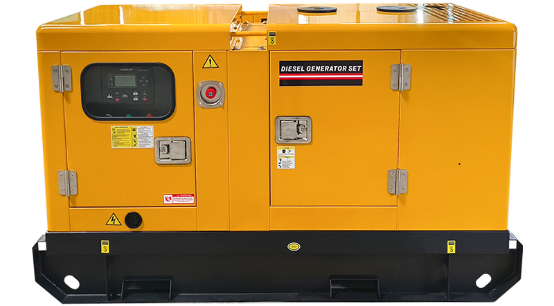
Figure 1: The 10–14kW silent diesel generator is designed for quiet home standby applications.
Three-phase generators (400V, 50Hz or 208/480V, 60Hz) are required for commercial buildings, industrial facilities, hospitals, and any site with large motors or balanced load distribution. Most industrial emergency diesel generator installations use three-phase. Longhong Power manufactures three-phase diesel genset units from 20 kW to 3000 kW, covering everything from small businesses to large diesel power plant installations.
If your facility has both single-phase and three-phase loads, a three-phase generator with a proper neutral conductor can supply both — but total single-phase load per phase must not exceed the generator's per-phase rating. Consult with Longhong's engineering team via our About Us page for application-specific guidance.
A generator's nameplate rating assumes standard reference conditions: 25°C ambient temperature, sea level altitude, and relative humidity below 60%. Real-world installations rarely match these conditions, so derating is essential.
Above 1,000 meters elevation, air density drops, reducing the amount of oxygen available for combustion. For every 300 meters above 1,000m, expect approximately 3–5% power loss on a naturally aspirated diesel generator set. Turbocharged engines handle altitude better but still require some derating above 2,000m. If your project site is at high altitude — such as a mining operation — this is critical. Longhong Power has successfully supplied generators for a Weichai generator operating in a mining area at 5,300m altitude, demonstrating our ability to size and configure for extreme conditions.
For every 5°C above 25°C ambient, derate the generator by approximately 2%. In hot climates exceeding 40°C, a generator rated for 100 kW may only deliver 90 kW. For tropical or desert installations, consider the containerized diesel generator option with integrated cooling and ventilation, which maintains performance in extreme heat.
High humidity reduces combustion efficiency and can cause condensation inside the alternator. Dusty environments — construction sites, quarries, mines — require heavy-duty air filtration. A canopy diesel generator with sealed enclosures and replaceable filter elements is strongly recommended for such conditions.
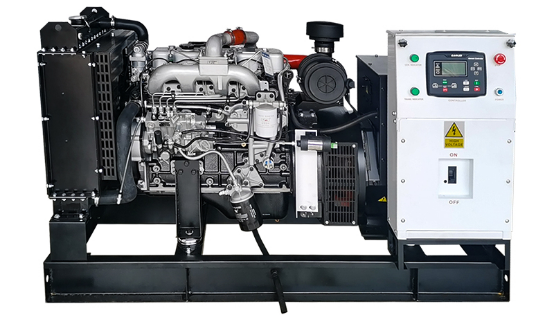
Figure 2: Open frame diesel generator built for harsh industrial and construction environments.
A well-sized standby diesel generator should serve not just today's loads but reasonable future expansion. Industry best practice is to add a 20–25% margin above your calculated peak load. This ensures:
Headroom for future equipment additions without replacing the generator
Better fuel efficiency at current load levels (operating in the 50–80% sweet spot)
Reduced wear from not running at maximum capacity continuously
Ability to handle unexpected load surges during emergencies
For example, if your calculated peak load is 80 kW, consider the 80kW silent diesel generator as a minimum, but a 100kW diesel generator provides the ideal 25% margin. This approach is especially valuable for growing businesses and facilities that may add production lines or expand building footprint.
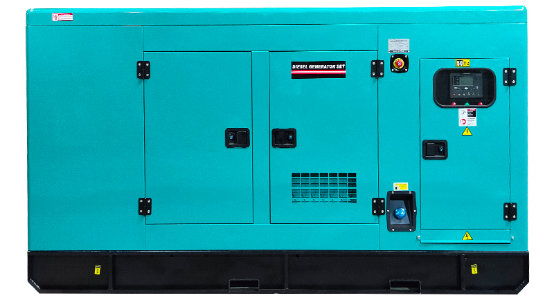
Figure 3: The 100kW silent diesel generator is one of Longhong's most popular export models for commercial standby power.
For large facilities requiring substantial backup capacity, Longhong also offers high-power solutions. Our 400KW/500KVA Yuchai silent generator project demonstrates how we size and configure large-scale industrial emergency diesel generator systems for demanding applications.
The most frequent error we see from international buyers is sizing the diesel genset based solely on running watts. When motor starting inrush current hits, the generator bogs down or trips. Always calculate starting watts for every inductive load.
Generators are rated in kVA, not kW. The relationship is: kW = kVA × power factor (PF). Most industrial loads have a PF of 0.8, meaning a 100 kVA generator delivers 80 kW. Confusing these units leads to 20% undersizing. All Longhong Power diesel generator set nameplates clearly state both kVA and kW ratings.
Modern facilities have computers, LED lighting, and variable frequency drives that produce harmonic distortion. These harmonics heat the alternator and may require 10–15% additional derating. If your facility has significant non-linear loads, discuss this with your China diesel generator factory supplier to ensure the alternator is suitably rated.
A generator running at 20% load burns nearly as much fuel per kWh as one running at 70% load. Oversizing wastes fuel. Undersizing risks failure. The goal is to size so that the standby diesel generator operates at 50–80% of rated capacity during typical standby operation.
A school required backup power for lighting, kitchen equipment, and HVAC across multiple buildings. After load calculation including motor starting for chillers, the peak demand was 380 kW (475 kVA). Longhong supplied a 500 KVA silent generator for the school — a 25% margin that accommodated future classroom additions and ensured reliable operation during exam periods when the generator might run for extended durations.
A Tanzanian agricultural processing facility needed reliable backup power for grain milling and cold storage. The combined running load was 65 kW with motor starting peaks reaching 85 kW. Longhong supplied a 100 KVA Cummins generator exported to Tanzania, providing adequate headroom and proven reliability in tropical conditions.
For a large commercial building in Libya requiring full standby coverage, the calculated load was 550 kW. Given the high ambient temperatures (45°C+) and the need for future expansion, Longhong supplied a 750 KVA Cummins generator exported to Libya, with a canopy enclosure and enhanced cooling for desert conditions.
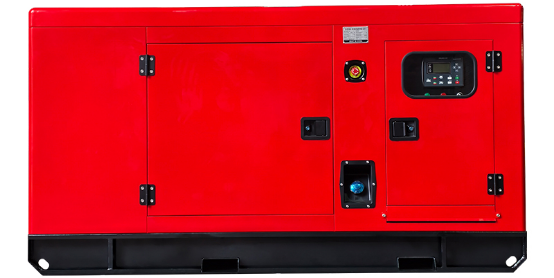
Figure 4: The 80kW silent diesel generator is ideal for mid-size facilities seeking reliable standby power.
Properly sizing a standby diesel generator is not guesswork — it is a systematic process of load calculation, motor starting analysis, environmental derating, and future planning. By following these steps, you avoid the costly mistakes of undersizing (system failure) and oversizing (wasted fuel and engine damage). The key takeaways are:
Always include starting watts for motor loads in your calculation
Match the phase (single or three) to your facility's electrical system
Derate for altitude, temperature, and humidity at your installation site
Add a 20–25% margin for future expansion and operational efficiency
Consider load type — non-linear loads may require additional alternator capacity
As a CE and ISO certified China diesel generator manufacturer with 20+ years of experience, Longhong Power maintains 200+ units in permanent stock, ranging from 3 KVA to 3000 KVA. Our engines from Cummins, Weichai, Yuchai, Perkins, Volvo, and Yunnei power diesel generator set solutions for every application. We have exported to Cambodia, Vietnam, Myanmar, Tanzania, Libya, and beyond — helping international buyers get their sizing right the first time.
Ready to size your standby diesel generator? Browse our product catalog or review our qualifications and certifications to see why buyers worldwide trust Longhong Power. For personalized sizing assistance, contact our engineering team through the Longhong Power website.


