

 English
 العربية
 Español
 Русский
Industry News
Industry News

When buyers first start evaluating a diesel generator set, one of the earliest technical decisions they face is whether to choose a single-phase diesel generator or a three-phase diesel generator. The choice is not about brand preference or price alone; it determines which appliances and machines the unit can safely run, how efficiently it converts fuel into usable power, and whether the installation will meet local electrical codes. Get the phase configuration wrong, and even a generously oversized diesel power generator can deliver unstable voltage, overheat motors, or trip breakers. This guide explains the difference between single-phase and three-phase output in plain language, walks through common applications from homes and farms to construction sites and factories, and shows what to look for when sourcing from a China diesel generator manufacturer. Whether you need a compact portable diesel generator for a rural property or a heavy-duty industrial emergency diesel generator for a manufacturing plant, Longhong Power has options spanning 3 kVA to 3,000 kVA with Cummins, Weichai, Yuchai, Perkins, Volvo, and Yunnei engines.
A single-phase diesel generator produces one continuously varying alternating-current (AC) waveform between a live conductor and a neutral conductor. In most regions the output is either 110–120 volts or 220–240 volts, depending on local standards, and the frequency is typically 50 Hz or 60 Hz. Because there is only one active waveform, single-phase generators are mechanically simpler, lighter, and less expensive than three-phase equivalents of the same kVA rating. They are also easier to wire into residential distribution boards and small commercial panels, which is why they dominate the generator for home and light-duty markets.
The main limitation of single-phase power is that large electric motors draw much higher current for the same horsepower compared with three-phase motors. A 5-horsepower air compressor or irrigation pump running on single-phase power will need thicker cables, a larger generator, and more fuel than the same motor running on three-phase power. Single-phase loads are also harder to balance perfectly, so voltage fluctuations can become noticeable when a heavy motor starts. For these reasons, single-phase units are best suited to lighting, household appliances, small workshops, telecom towers, and rural homes that do not run large three-phase machinery.
Longhong's smaller silent diesel generator models are frequently ordered in single-phase configuration for residential, farm, and small commercial use. The compact footprint and low noise canopy make them popular as standby diesel generator units where space and neighborhood noise are concerns. You can browse the full range on the product catalog page, where ratings, engine options, and voltage configurations are listed for every model.
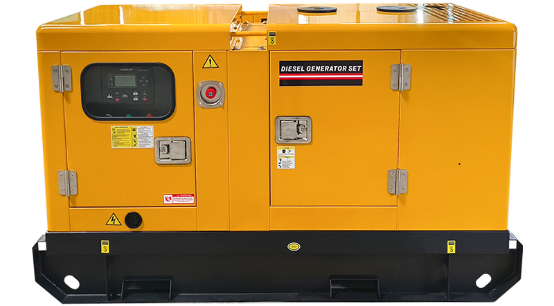
A three-phase diesel generator produces three separate AC waveforms, each offset by 120 degrees from the others. The generator has three live conductors plus a neutral, and the voltage between any two live conductors is higher than the voltage between a live conductor and neutral. This arrangement delivers power in a much smoother, more continuous flow, which is why three-phase motors run more efficiently, start more easily, and last longer than their single-phase counterparts.
In practical terms, three-phase power is the standard for industry. Factories use it to run CNC machines, lathes, compressors, pumps, conveyors, and HVAC chillers. Construction sites rely on construction site diesel generator set units in three-phase configuration to feed tower cranes, concrete batching plants, welding banks, and site offices simultaneously. Data centers, hospitals, hotels, and shopping malls install three-phase emergency diesel generator sets so that their entire electrical infrastructure can transfer to backup power through an automatic transfer switch (ATS) without rewiring.
The higher efficiency of three-phase systems also means lower fuel consumption per kilowatt-hour at full load. For buyers running equipment for many hours per day, the fuel savings over the life of the generator often repay the modest extra upfront cost of a three-phase unit. Longhong offers three-phase diesel genset models across the full power range, including 100 kW industrial diesel generators, 80 kW silent canopy generators, and 32 kW silent units suitable for light industrial and commercial three-phase loads.
Single-phase power reaches zero voltage twice per cycle. This means the instantaneous power delivery pulses, which is acceptable for lights and electronics but causes vibration and heat in larger motors. Three-phase power never reaches zero simultaneously on all three conductors, so the total power output is constant. The result is smoother torque in motors, less mechanical stress, and quieter operation.
A three-phase system can deliver the same total power at a lower current than a single-phase system. Lower current means smaller cables, lower resistive losses, and cheaper switchgear. For example, a 50 kW load at 400 V three-phase draws roughly 72 amps per phase, while the same 50 kW load at 230 V single-phase would draw well over 200 amps. The difference in installation cost and safety can be substantial.
Large motors can draw five to seven times their normal running current during startup. On a single-phase generator, this surge can cause a dramatic voltage dip that resets electronics and dims lights. Three-phase generators handle motor starting better because the load is distributed across three windings, reducing the per-phase surge. If your application involves pumps, compressors, or machine tools, three-phase is almost always the better choice.
Single-phase generators are cheaper to manufacture and simpler to maintain. Their control panels have fewer output terminals and protective relays. Three-phase generators cost slightly more and require a more skilled electrician for installation and balancing, but they offer superior efficiency, scalability, and compatibility with industrial equipment. For buyers who may expand operations in the future, a three-phase diesel power plant provides more headroom.
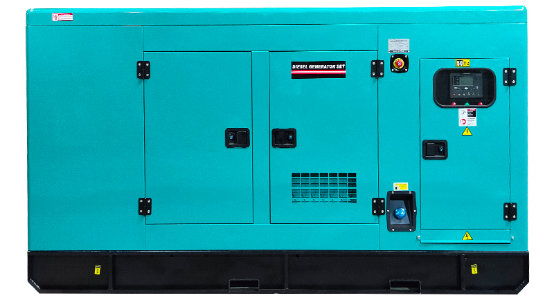
There is also a middle path. Some generators can be configured to deliver both single-phase and three-phase output from the same alternator, often by reconnecting the windings at the terminal block. This dual-voltage flexibility is useful for rental fleets, contractors who move between residential and commercial sites, and export markets where the exact on-site distribution is not known at the time of order. When sourcing from a diesel generator supplier such as Longhong, specify both the required voltage and the socket or breaker configuration so the factory can prepare the correct alternator and distribution panel before shipping.
Once you have selected the phase configuration, the next step is to size the generator correctly. A unit that is too small will overload and shut down during motor starting; a unit that is far too large will run inefficiently at partial load and may glaze the engine cylinders. The goal is to match the generator's continuous kVA rating to the running load while leaving enough surge capacity for starting currents.
Start by listing every device the generator must power. Record the running watts and the starting watts of each motor or compressor. Add the running watts, then add the largest single starting surge to that total. Finally, apply a safety margin of 20 to 25 percent to allow for future load growth and voltage regulation headroom. For example, a small farm with a 3 kW pump, 1.5 kW of lighting and appliances, and 1 kW of workshop tools would have a running total of about 5.5 kW. If the pump needs 9 kW to start, the design load becomes 5.5 kW plus 9 kW, or 14.5 kW peak. A 16 kW compact silent diesel generator would be appropriate, with a small margin for additional loads.
For three-phase applications, the calculation is similar but must be performed per phase. Unbalanced loads — where one phase carries significantly more current than the others — can overheat the alternator and cause voltage instability. A qualified electrician should distribute loads evenly across all three phases. If you are unsure about sizing, Longhong's sales engineers can review your load list and recommend a suitable diesel generator set from the company's permanent stock of 200+ units.
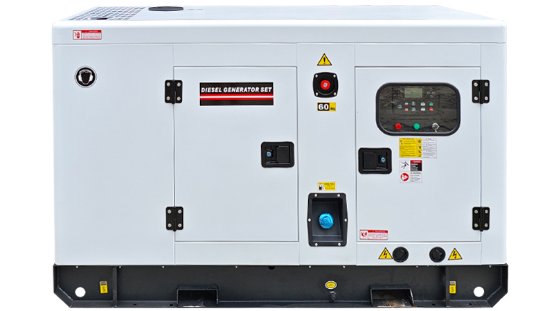
The cheapest quote per kilovolt-ampere is rarely the best value. Low-cost units may use inferior alternators, thin steel canopies, and non-genuine engine parts. Over a five-year ownership period, fuel efficiency, spare parts availability, and serviceability matter more than the initial invoice amount. Ask your diesel generator factory for the engine serial number protocol, alternator brand, and warranty terms before placing an order.
Some buyers import a generator only to discover that the voltage, frequency, or plug configuration does not match local requirements. A UK diesel genset buyer, for instance, may need 230/400 V at 50 Hz with CE marking, while a North American buyer may need 120/208 V at 60 Hz. Confirm voltage, frequency, phase, and certification requirements with your electrician before finalizing the purchase.
Many buyers size the generator based on running load only and forget the starting surge of motors, air conditioners, and compressors. The result is a generator that repeatedly overloads and shuts down every time a heavy load starts. Always include the highest single starting current in your sizing calculation.
A generator is only as reliable as its installation and maintenance. Fuel lines, exhaust routing, ventilation, battery trickle chargers, and automatic transfer switches all affect performance. Budget for professional installation and establish a maintenance schedule based on running hours. Longhong provides operation manuals, spare parts lists, and after-sales support to help owners keep their units ready for the next power outage.
China has become the world's largest producer of diesel generator sets, with a complete supply chain covering engines, alternators, steel canopies, controllers, and emission-control components. For international buyers, sourcing from an established China diesel generator manufacturer offers several advantages: competitive pricing, fast production turnaround, access to global engine brands, and the ability to customize voltage, frequency, outlet configuration, and canopy design.
Guangdong Longhong Electromechanical Equipment Co., Ltd. was established in 2010 in Guangdong, China, and has accumulated more than 20 years of experience in the power generation industry. The company manufactures diesel power generator units from 3 kVA to 3,000 kVA, including open-frame, silent/canopy, trailer, and containerized configurations. Engine options include Cummins, Weichai, Yuchai, Perkins, Volvo, and Yunnei, giving buyers the flexibility to match local brand preferences and spare-parts availability.
Longhong holds CE and ISO certifications, maintains a permanent stock of more than 200 generator sets, and has exported to Cambodia, Vietnam, Myanmar, Tanzania, Libya, and other markets. Buyers can verify the company's qualifications on the qualifications page. Whether you need a mobile trailer diesel generator for remote construction, a canopy diesel generator for a hospital, or a containerized diesel generator for a utility-scale installation, Longhong can configure the phase, voltage, and accessories to match the project.
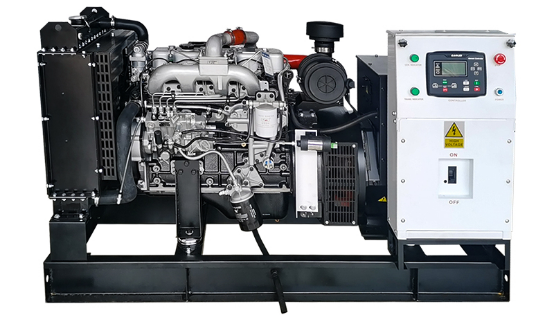
Choosing between a single-phase diesel generator and a three-phase diesel generator comes down to one question: what will you actually power? For homes, small farms, telecom sites, and mobile applications, single-phase units offer simplicity, lower cost, and easy installation. For factories, construction sites, hospitals, hotels, and any facility running large motors or requiring whole-building transfer, three-phase units deliver superior efficiency, smoother power, and room to grow. Get the sizing right, verify local voltage and frequency requirements, and select a manufacturer with a proven export record. Longhong Power supplies both single-phase and three-phase diesel genset solutions from 3 kVA to 3,000 kVA, backed by CE and ISO certification and a permanent inventory ready for global shipment. Contact the team today to discuss your load list, voltage requirements, and delivery schedule.
Longhong Power is a China diesel generator manufacturer based in Guangdong, China, with more than 20 years of industry experience. The company produces diesel generator sets from 3 kVA to 3,000 kVA powered by Cummins, Weichai, Yuchai, Perkins, Volvo, and Yunnei engines. Product lines include open-frame, silent/canopy, trailer, and containerized generators, all built to CE and ISO standards. With 200+ units in permanent stock and exports to Cambodia, Vietnam, Myanmar, Tanzania, Libya, and beyond, Longhong Power is a trusted diesel generator supplier for buyers worldwide. Visit www.longhongpower.com to explore the full product range and request a quotation.


