

 English
 العربية
 Español
 Русский
Industry News
Industry News

A diesel generator set is one of the safest pieces of power equipment you can own — but only when it is specified, installed and operated correctly. Every year, avoidable incidents involving fuel spills, carbon monoxide buildup, electrical backfeed and overheated exhaust systems cause injuries and property losses that proper safety planning would have prevented. This guide explains the fire, ventilation and operating risks every buyer and operator should understand, and lists the safety features to verify before you purchase a standby diesel generator from any supplier, including us as a China-based diesel generator manufacturer.
Table of contents
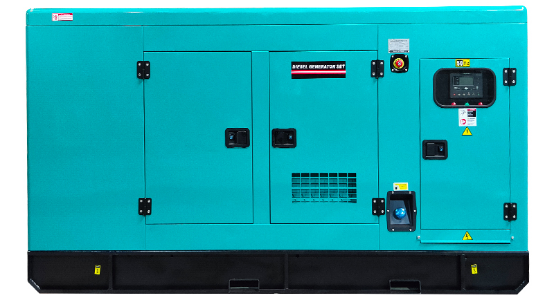
Most generator accidents trace back to decisions made before the unit ever arrived on site: an undersized room with no airflow, a canopy with no fire-rated insulation, a controller with no overload protection, or a seller who shipped the genset without grounding terminals or an emergency stop. When you source a diesel genset, safety should be treated as a specification item, not an afterthought.
A correctly built 100kW diesel generator or any other rating should leave the factory with CE and ISO-compliant protection: emergency stop buttons, high-temperature and low-oil-pressure shutdown, battery isolators, clearly marked warning labels and an earthing point welded to the base frame. Our qualifications page shows the certifications we hold, and every unit passes a full-load test before dispatch. Buyers who verify these details at purchase avoid the retrofit costs — and risks — of dealing with them later.
Diesel is less flammable than petrol, but a hot exhaust manifold can still ignite fuel vapour, oily rags or dry vegetation. Fire prevention around a power generator comes down to managing three things: fuel, heat and housekeeping.
Store diesel in approved tanks or drums, in a bunded or contained area that can hold 110% of the stored volume if a leak occurs. Keep fuel stores away from the exhaust outlet and at least several metres from the genset where space allows. Never refuel a running or hot engine — spilled diesel contacting a 500°C exhaust manifold ignites instantly. For sites with a day tank plus bulk storage, fit an overfill alarm and a fire-rated fuel line with shut-off valves.
The exhaust system is the hottest part of any diesel power generator. Keep a clear zone of at least one metre around the exhaust pipe and silencer, insulate exposed runs that pass near walls or cables, and route the outlet away from windows, air intakes and walkways. On construction site diesel generator set installations, dust and debris accumulate quickly — clean the area weekly so combustible litter cannot build up against hot surfaces.
Keep a dry-powder or CO2 extinguisher rated for electrical and fuel fires within reach of the genset, and never store flammable liquids, gas cylinders or packaging materials inside the generator room. A silent 80kW diesel generator in a well-built canopy already separates hot parts from the environment — but the surrounding housekeeping remains the operator's responsibility.
Diesel exhaust contains carbon monoxide (CO), nitrogen oxides and particulates. In an enclosed space, even a small genset can raise CO to lethal levels within minutes. Ventilation serves two jobs at once: it removes toxic exhaust and carries away engine heat.
A generator room needs a low-level air inlet for combustion and cooling air, and a high-level outlet for hot air and exhaust, positioned at opposite ends of the room to prevent recirculation. As a rule of thumb the outlet area should match or exceed the radiator discharge area, and ducting losses must be added if louvres or screens restrict flow. Our installation guidance supplied with every genset specifies the exact airflow requirements per model, so the room design can be finalised before the unit arrives.
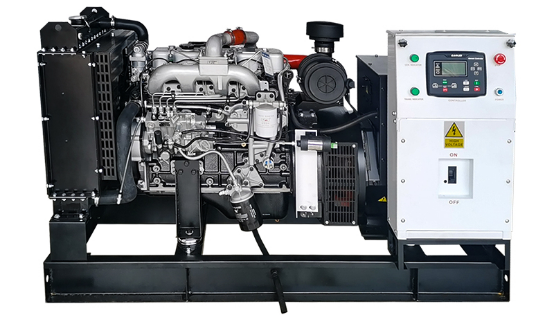
Portable and 10-14kW silent generators are often treated casually on small sites, yet they cause most CO poisoning cases. A canopy reduces noise; it does not make exhaust safe. Small units must always run outdoors, several metres from doors, windows and vents, with the exhaust pointing away from occupied buildings. For basement or indoor installations, use only permanently ducted systems and fit a CO alarm in the room as a final safeguard.
Electrically, the two most dangerous failures are a missing ground and an uncontrolled backfeed into the utility grid. Both are cheap to prevent and catastrophic when ignored.
Connect the generator frame to a proper earthing electrode in accordance with local electrical codes. On single-phase home units and three-phase diesel generator installations alike, the neutral bonding arrangement must match the transfer-switch design — an incorrectly bonded neutral can energise equipment enclosures or trip protective devices. Have a licensed electrician confirm the bonding scheme during commissioning.
Backfeeding — connecting a generator directly into a wall outlet or panel without a transfer switch — can electrocute utility workers lines away from your site. A correctly installed automatic transfer switch isolates the load from the grid before the auto-start diesel generator fires up, and reconnects only when utility power is stable. Our 64kW automatic generator is configured for AMF/ATS operation, so the whole sequence — mains failure, start, transfer, retransfer and cooldown — happens without human contact with live parts.
Even a perfectly installed genset becomes hazardous through careless daily habits. Train every operator on these basics:
Shut the engine down and let it cool before refuelling. Wipe spills immediately and dispose of oily rags in a covered metal container. Never smoke or perform grinding or welding within the generator bay.
Overloading overheats windings and accelerates engine wear; chronic under-loading below roughly 30% causes wet stacking and carbon buildup. Keep operation in the 50–80% load band where possible. When an emergency diesel generator runs long outage sessions, check coolant temperature and oil pressure periodically rather than assuming the gauges at start-up still apply.
Keep rotating-belt and fan guards in place, lock generator rooms against unauthorised entry — particularly where children are present, as around school installations — and use hearing protection near open frame units, which typically run 5–10dB louder than canopy models.
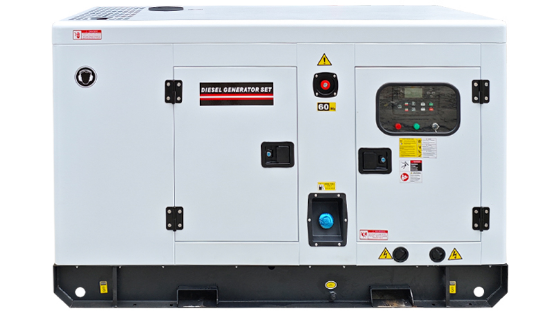
When comparing quotations from any China diesel generator factory or supplier, put safety on the same footing as price and engine brand. Before confirming an order, verify that the genset includes:
These eight checks cost nothing to request and reveal more about a supplier's engineering discipline than any brochure. As a Guangdong manufacturer established in 2010 with more than 20 years of industry experience, Guangdong Longhong Electromechanical Equipment Co., Ltd. builds every genset in the 3KVA–3000KVA range — open frame, canopy diesel generator, trailer and containerized types — with Cummins, Weichai, Yuchai, Perkins, Volvo and Yunnei engines, full-load tested before dispatch and backed by 200+ units in permanent stock for fast delivery to sites across Cambodia, Vietnam, Myanmar, Tanzania, Libya and beyond.
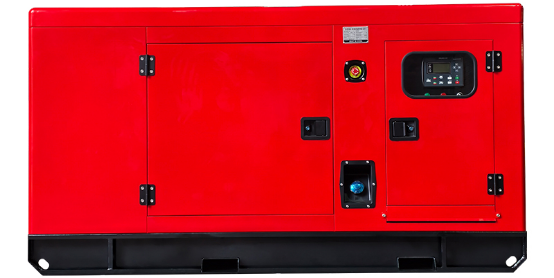
Diesel generator safety is not a single feature — it is the product of sound specification, disciplined installation and careful operation. Choose a genset built with genuine protective shutdowns, a fire-rated canopy and a tested earthing scheme; install it with adequate ventilation, correct grounding and an ATS; and operate it with refuelling and loading discipline. Buyers who hold suppliers to these standards protect their people, their assets and their power availability at the same time. For help configuring a safe, fully certified diesel generator set for your site, contact our team via the Longhong Power homepage or learn more about our company and our export track record.
About Guangdong Longhong Electromechanical Equipment Co., Ltd.
Established in 2010 in Guangdong, China, with more than 20 years of engineering experience, Longhong manufactures diesel generator sets from 3KVA to 3000KVA in open frame, silent/canopy, trailer and containerized configurations. Powered by Cummins, Weichai, Yuchai, Perkins, Volvo and Yunnei engines and certified to CE and ISO standards, our gensets are exported to Cambodia, Vietnam, Myanmar, Tanzania, Libya and other markets, with 200+ units in permanent stock. Browse our full range at the product catalog.


